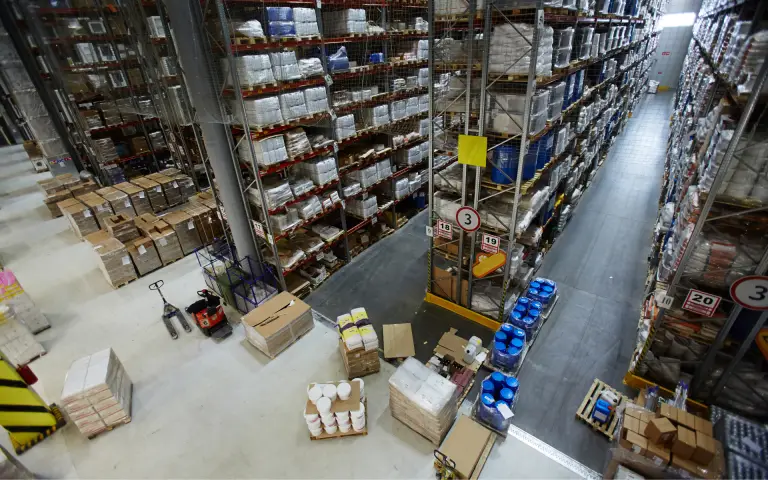
Peak hits different when you’re the one managing capacity. Your warehouse is bursting, your drivers are maxed out, and somehow you’re supposed to keep promising two-day delivery while costs are going through the roof.
Here’s the thing most shipping blogs won’t tell you: there’s no magic formula that works for everyone. But there is a framework that’ll keep you profitable without pricing yourself out of the market. And it starts with actually knowing your numbers.
The Core Peak Surcharge Formula
Start with this baseline:
Peak Surcharge = (Peak Period Costs – Normal Period Costs) / Expected Peak Volume
Simple enough, right? The hard part isn’t the math, it’s having accurate visibility into what those costs actually are.
What Counts as Peak Period Costs?
This is where shipping analytics becomes non-negotiable. You need to track:
- Labor costs: Seasonal hiring, overtime premiums, retention bonuses, training time for temp workers
- Infrastructure: Temporary facility leases, extra equipment rentals, additional vehicle capacity
- Operational inefficiencies: Lower productivity from new workers, increased error rates, expedited freight to meet deadlines
- Technology strain: Server capacity upgrades, customer service overflow support
Here’s what catches people off guard: your cost per package increases during peak even though you’re shipping more volume. But without real-time data insights, you’re flying blind. You might think your cost per package is $4.50 when it’s actually $6.80 once you factor in all the hidden peak expenses.
The Volume Prediction Challenge
Most companies use last year’s peak volume plus 10-15% growth. That’s fine for budgeting, but it’ll wreck your surcharge calculation if you’re not careful.
Better approach: Use historical shipping data to model three scenarios – conservative (5% growth), expected (15% growth), and aggressive (25% growth). Calculate your surcharge for each. But here’s the key: you need visibility into leading indicators throughout Q3 to know which scenario you’re tracking toward.
Advanced logistics insights can flag volume trends weeks before peak hits, letting you adjust surcharges proactively rather than reactively.
Beyond Basic Math: Strategic Considerations
- Dynamic vs. flat surcharges: Some companies set one surcharge rate for the entire peak period. Others adjust weekly based on actual capacity utilization. Dynamic pricing is harder to implement but can smooth demand and maximize revenue—if you have the data visibility to pull it off.
- Service level differentiation: Your peak surcharge for next-day delivery should be significantly higher than ground shipping. You’re rationing scarce capacity, price accordingly. Analytics can show you exactly which service levels are margin-killers during peak.
- Customer tiers: Long-term partners with consistent year-round volume might get reduced surcharges. One-and-done holiday retailers pay full freight. But you need clear customer profitability data to make these calls confidently.
The Visibility Problem
The biggest reason peak surcharges fail? Companies calculate them in a spreadsheet in August and then have no idea if they’re working in November.
You need real-time tracking of:
- Actual costs vs. projected costs by week
- Volume patterns vs. forecast
- Margin by customer segment and service level
- Capacity utilization across your network
Without this visibility, you’re either leaving money on the table or burning cash on deliveries that don’t pencil out.
Making It Work Operationally
The best peak surcharge formula is worthless if your team can’t explain it to customers or your systems can’t apply it consistently.
Modern shipping analytics platforms solve this by connecting your TMS data, warehouse data, carrier invoices, and customer orders into a single view. You can see which customers are actually profitable during peak, which service levels are underwater, and where you need to adjust pricing before it’s too late.
This operational intelligence turns peak surcharges from guesswork into a data-driven strategy.
The Real Goal
Peak surcharges aren’t about squeezing extra margin (though that’s nice). They’re about rationing limited capacity to customers who value it most while covering the genuine incremental costs of scaling up.
Get the formula right, and you’ll sail through peak season profitable and sane. Get it wrong, and you’re either turning away profitable business or hemorrhaging money on every delivery.
Start with the basic math. Layer in your strategic considerations. Build the data visibility to track what’s actually happening. And make sure your systems can execute what you’ve designed.
Your future self… somewhere around December 20th… will thank you.